Caleb Sabatka
Academic Leader & Armchair Anthropologist
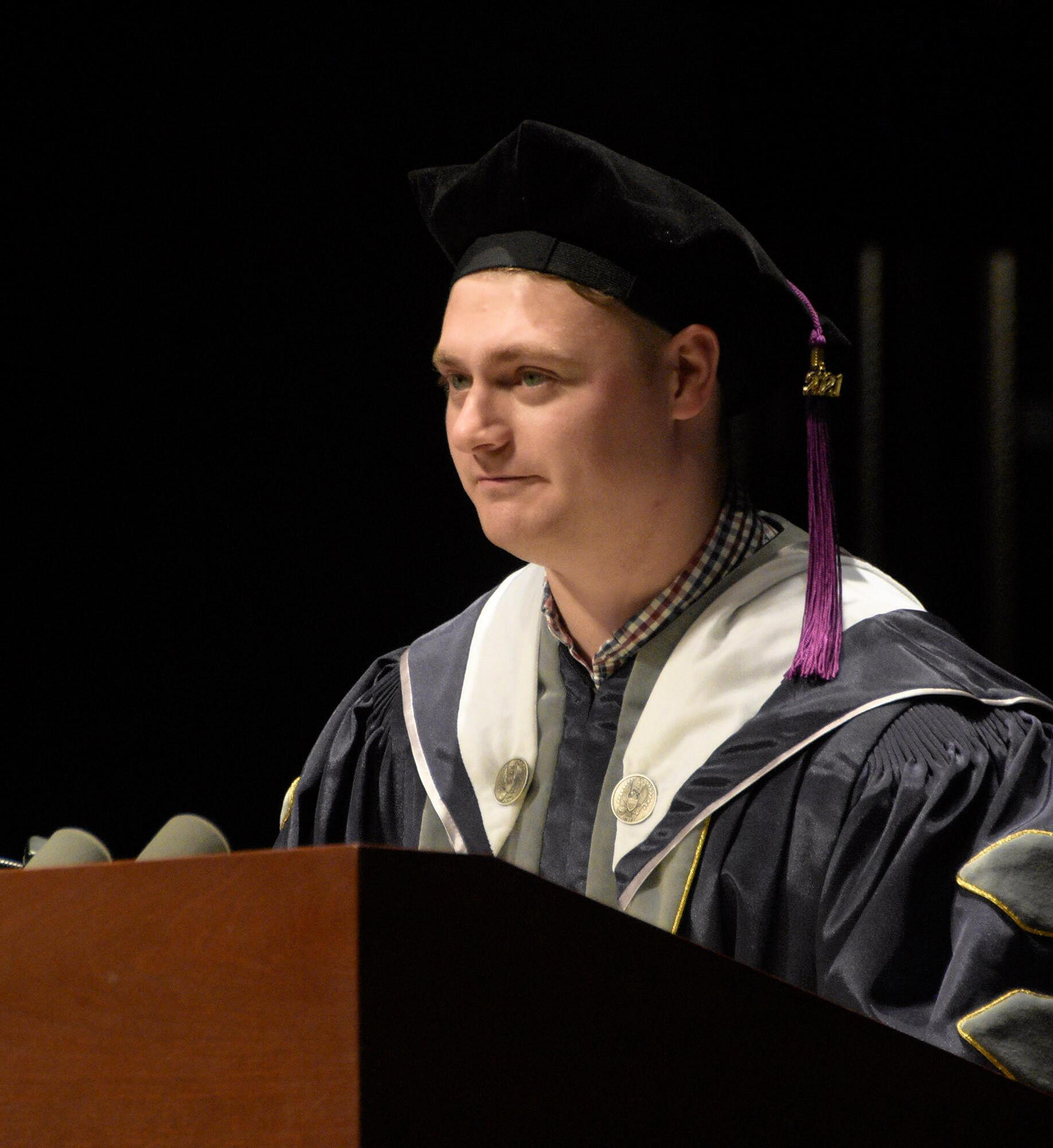
Dr. Caleb Sabatka (he/him) is Assistant Professor and Chair of Human Services at Urban College of Boston, where he leads a department serving predominantly first-generation, immigrant, and working adult students. His administrative work centers on curriculum design, faculty development, and outcomes assessment.He holds a Doctor of Liberal Studies from Georgetown University, focused on the anthropology of religion and carceral studies, an M.A. in Restorative Justice from Vermont Law School, and a B.A. in Cross-Cultural Relations and Literary Translation from Bard College at Simon's Rock — a path reflecting a consistent interest in how institutions can recognize the full humanity of the people inside them.
Current Work
Urban College of Boston | April 2021 – Present
Assistant Professor & Program Chair, Human ServicesLeads the Human Services program at one of the region's most diverse two-year colleges, where the majority of students are first-generation, working adults, and immigrants or English-language learners. Oversees over a dozen adjunct faculty, manages an advising caseload of 50 students, and directs the internship program in partnership with over a dozen community organizations across Greater Boston.Redesigned the Human Services curriculum in 2024 to include stackable credentials and certificates, resulting in a 16% increase in departmental enrollment year-over-year. Built and maintained the program's outcomes assessment framework, contributing to 10-year self-study and NECHE reaccreditation. Chairs Curriculum Committee within Academic Affairs and serves on college-wide Policy Committee representing Academic Affairs.
Research Interests
Human Services, Critical Prison Studies, Carceral Studies, Restorative Justice, Prison Abolition, Religious Studies, Anthropology of Religion, Monasticism, Humanistic Anthropology, Mass Incarceration, Theopoetics, Poetry Translation, Memoir.
Contact
Interested in collaborating? Contact me below!
Select Publications
Elegy for Simon’s Rock
This debut poetry chapbook is an autoethnographic project of memory and mourning for a place and an institution that no longer exists in its original form.Applying Anthropology to Criminal Legal Culture and Stakeholder Concerns
This chapter outlines how anthropological knowledge can advocate for justice-involved people at various stages of the carceral process: the courtroom, the prison, and when reintegrating to home communities.